The Importance of Accuracy in Prescribing
Prescription errors are a significant concern in healthcare, potentially leading to harmful consequences for patients. These errors can occur at various stages, from the initial prescription to dispensing the medication. Common mistakes include incorrect dosages, inappropriate drug selection, and dangerous drug interactions. The World Health Organization (WHO), in its Global Patient Safety Challenge, reported that medication errors are a significant cause of harm in healthcare systems worldwide, including the UK. The organisation emphasised that while medication errors are preventable, they continue to contribute to significant morbidity and mortality. Historically, the burden of catching these errors has largely fallen on pharmacists, who act as the final checkpoint before a medication reaches the patient. While pharmacists are highly trained professionals, the volume of prescriptions they handle and the complexity of modern pharmacology make it increasingly challenging to catch every potential mistake. This is where AI tools like DrugGPT come into play, offering a new layer of protection.What is DrugGPT?
DrugGPT is a cutting-edge AI tool designed to support healthcare professionals in the prescribing process. It utilises natural language processing (NLP) and machine learning algorithms to analyse prescription data, patient histories, and vast pharmacological databases. By doing so, it can identify potential errors or contraindications before a prescription is finalised. The "GPT" in DrugGPT stands for "Generative Pre-trained Transformer," a type of AI model that excels in understanding and generating human-like text based on the data it has been trained on. DrugGPT uses this technology to interpret and analyse prescription instructions, comparing them against patient data to flag any discrepancies or potential risks. This process occurs in real-time, allowing healthcare professionals to correct mistakes before they reach the patient.
How DrugGPT Enhances Medication Safety
The primary function of DrugGPT is to enhance medication safety by reducing the likelihood of prescribing errors. Here’s how it achieves this:1. Drug Interaction Checks
One of the most critical tasks for any prescribing system is to ensure that medications do not interact harmfully with each other. DrugGPT can instantly cross-reference prescribed medications with a patient’s current medication list, alerting the prescriber to any dangerous combinations. This feature is particularly useful in managing patients with complex medication regimens, where the risk of interactions is higher.2. Dosage Verification
Incorrect dosages are a common prescribing error, often resulting from miscalculations or miscommunication. DrugGPT can automatically verify dosages against recommended guidelines based on factors such as the patient’s age, weight, and medical condition. If a dosage appears outside the recommended range, the system flags it for further review, ensuring that any potential errors are addressed before the prescription is finalised.3. Patient-Specific Recommendations
AI tools like DrugGPT can analyse a patient’s medical history to provide tailored recommendations. For instance, if a patient has a known allergy to a particular medication, DrugGPT can alert the prescriber and suggest alternatives. This personalised approach helps to ensure that each prescription is safe and suitable for the individual patient.4. Learning from Data
One of the most powerful aspects of AI is its ability to learn and improve over time. DrugGPT continually refines its algorithms based on new data and feedback from users. This means that the system becomes more accurate and reliable as it processes more information, ultimately leading to fewer errors and better patient outcomes.The Role of Pharmacists in an AI-Enhanced Future
While AI tools like DrugGPT offer significant benefits in terms of medication safety, they are not a replacement for pharmacists. Instead, these technologies should be viewed as complementary tools that enhance the pharmacist’s role rather than diminish it.1. Enhanced Efficiency
By automating routine checks and flagging potential issues, DrugGPT allows pharmacists to focus on more complex and critical tasks. For instance, pharmacists can spend more time consulting with patients, providing detailed advice, and addressing any concerns they may have about their medications. This not only improves patient care but also elevates the role of the pharmacist as a key healthcare provider.2. Reducing Cognitive Load
Pharmacists often work under significant pressure, juggling multiple tasks while ensuring that every prescription is accurate. DrugGPT can reduce this cognitive load by handling the initial error-checking process, allowing pharmacists to review flagged issues more thoroughly and make informed decisions. This can lead to fewer errors, reduced stress, and a better work environment for pharmacists - which is bound to be beneficial for your patients too!3. Collaboration Between AI and Human Expertise
AI tools like DrugGPT are excellent at processing large amounts of data quickly, but they lack the nuanced understanding and judgement that comes from years of professional experience. Pharmacists bring a deep knowledge of pharmacology, patient care, and the ability to consider factors that AI may not fully appreciate, such as patient preferences or cultural considerations. By working together, AI and pharmacists can ensure the highest standard of care.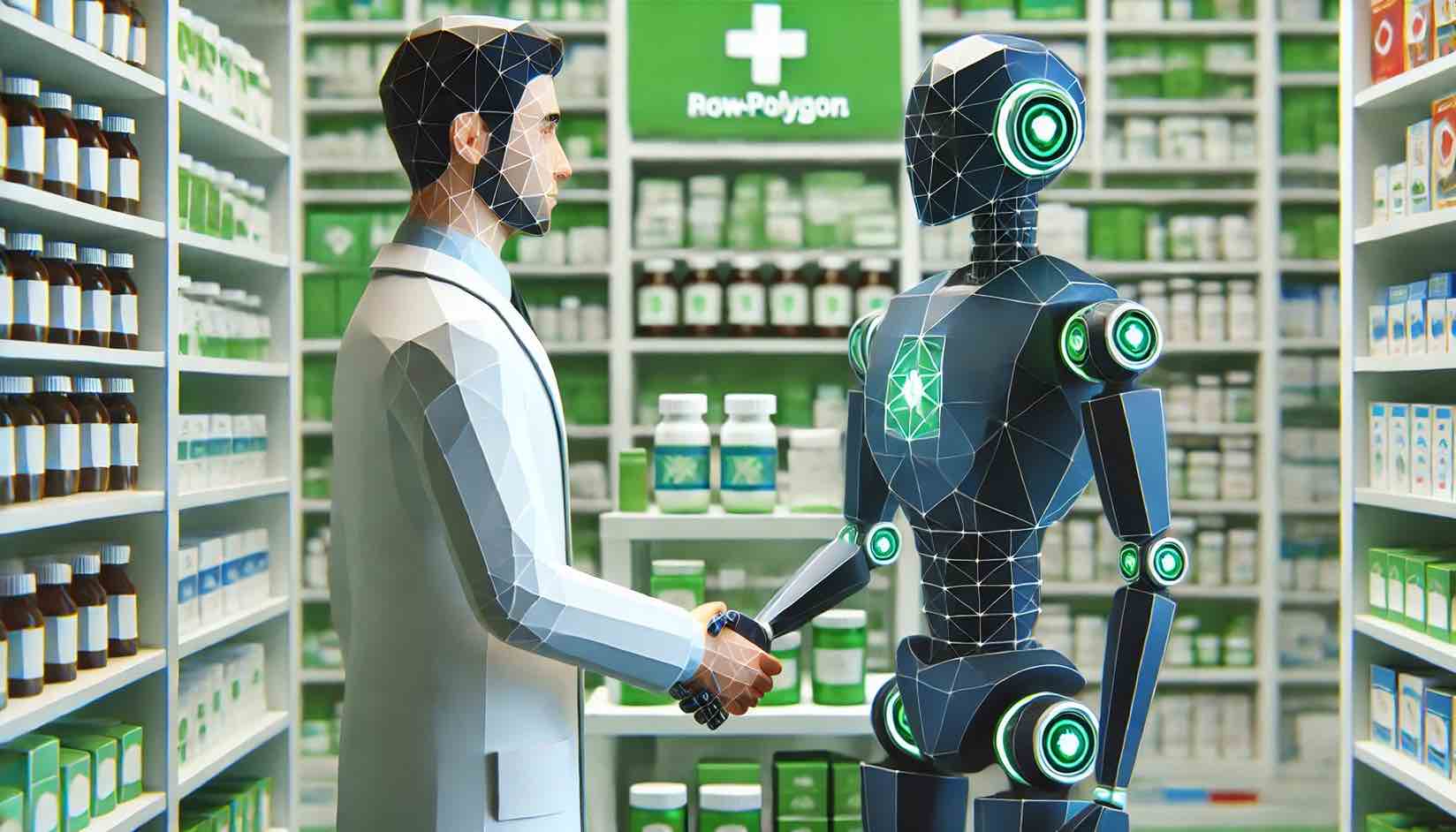
Addressing Concerns About AI in Healthcare
As with any new technology, there are concerns about the impact of AI on the workforce, particularly in healthcare. Some worry that AI could lead to job losses or diminish the role of human professionals. However, it’s important to recognise that AI is not intended to replace pharmacists but to support them.1. AI as an Aid, Not a Replacement
The introduction of AI in healthcare should be seen as an opportunity to improve efficiency and safety, not as a threat to jobs. AI tools like DrugGPT are designed to handle repetitive tasks and data analysis, freeing up pharmacists to focus on patient care. In this way, AI can enhance the pharmacist’s role rather than replace it.2. Ensuring Ethical Use of AI
As AI becomes more integrated into healthcare, it is crucial to establish ethical guidelines to ensure that these technologies are used responsibly. This includes maintaining patient privacy, ensuring transparency in AI decision-making, and providing adequate training for healthcare professionals to use AI tools effectively. By addressing these concerns, we can ensure that AI is a positive force in healthcare.The Future of Medication Safety with AI
The introduction of AI tools like DrugGPT represents a significant advancement in the quest for safer medication practices. By catching prescribing mistakes before they happen, these technologies have the potential to reduce errors, improve patient outcomes, and enhance the overall efficiency of healthcare delivery. However, the success of AI in healthcare depends on collaboration between technology and human expertise. Pharmacists will continue to play a crucial role in ensuring that patients receive safe and effective care. By embracing AI as a tool to support their work, pharmacists can leverage the benefits of technology while maintaining their essential role in the healthcare system. At Pharmacy Mentor, we believe that the future of healthcare lies in the synergy between advanced technology and skilled professionals. AI like DrugGPT is not here to replace pharmacists but to empower them, making the process of prescribing and dispensing medication safer, more efficient, and more effective than ever before. As we move forward, the key to success will be integrating these tools into our healthcare practices in a way that enhances the role of pharmacists and prioritises patient safety above all else.The Team at PM are helping the sector embrace digital and technology. We provide digital marketing and development services for pharmacy, and we're keen on helping you grow. Get in touch