1. Increased GP Workload
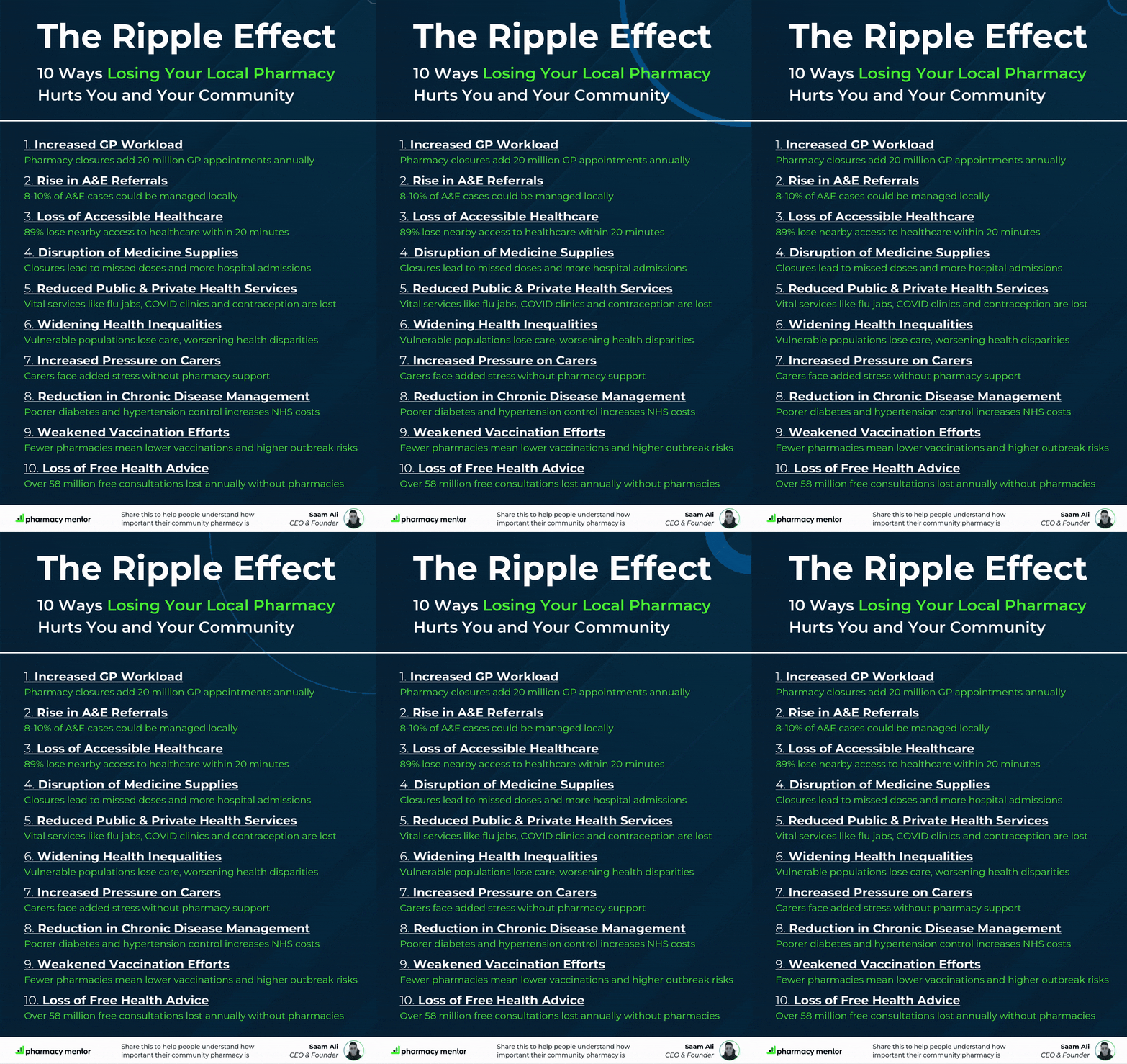
Community pharmacies help alleviate pressure on GP surgeries by handling minor illnesses, providing medication consultations, and offering health advice. When pharmacies close, these responsibilities shift to GPs, who are already stretched thin. It’s estimated that pharmacy closures add 20 million GP appointments annually, increasing waiting times and delaying care for more complex cases. This added strain could lead to burnout amongst healthcare professionals and a decline in the quality of patient care.2. Rise in A&E Referrals
Many minor health issues that could be resolved at a pharmacy—such as cuts, sprains, or mild infections—end up at A&E when local pharmacies close. Studies show that 8–10% of A&E cases could have been managed locally if pharmacies were available. This unnecessary burden clogs emergency departments, leading to longer wait times and diverting resources from critical emergencies.3. Loss of Accessible Healthcare
One of the greatest strengths of community pharmacies is their accessibility. A staggering 89% of the population can reach a pharmacy within a 20-minute walk. However, when a pharmacy shuts down, patients are forced to travel further, often relying on limited public transport or family support. For elderly individuals, those with disabilities, or parents with young children, this lack of nearby access can create significant barriers to obtaining timely healthcare.4. Disruption of Medicine Supplies
Pharmacies play a vital role in managing repeat prescriptions and ensuring patients receive their medications on time. When pharmacies close, patients face delays, missed doses, and even interruptions in essential treatments. Such disruptions can lead to more frequent hospital admissions, particularly for individuals managing chronic conditions like diabetes, asthma, or epilepsy.
5. Reduced Public and Private Health Services
Community pharmacies don’t just dispense medication—they offer a wide range of public and private health services, including flu vaccinations, contraception, smoking cessation programmes, and weight management support. When a pharmacy closes, these vital services are often lost, leaving gaps in preventative care and public health initiatives. This can increase the likelihood of illnesses going undetected or untreated, putting more pressure on already overstretched NHS services.6. Widening Health Inequalities
Pharmacies are often located in areas of high deprivation, serving vulnerable populations who may struggle to access other healthcare services. When pharmacies close, these groups lose a lifeline, further exacerbating health inequalities. Without local pharmacy support, vulnerable individuals may delay seeking care, leading to poorer health outcomes and increased reliance on emergency services - making it paramount to protect community pharmacies.7. Increased Pressure on Carers
For carers supporting elderly or disabled loved ones, pharmacies provide crucial advice, medication management, and support services. When these services disappear, carers face added stress and responsibility. Without pharmacy guidance, carers may struggle to manage complex medication regimens or find alternative solutions, negatively impacting both their well-being and the health of those they care for.8. Reduction in Chronic Disease Management
Pharmacies are integral to managing chronic conditions like diabetes, hypertension, and asthma. They offer regular health checks, monitor medication adherence, and provide lifestyle advice. When pharmacies close, patients lose this valuable support, resulting in poorer disease control and higher NHS costs due to complications or hospitalisations.9. Weakened Vaccination Efforts
Pharmacies have become key players in vaccination campaigns, administering millions of flu jabs, COVID-19 vaccines, and travel immunisations each year. Fewer pharmacies mean fewer vaccination sites, which can lead to lower uptake and a greater risk of disease outbreaks. This could have serious consequences for public health, particularly during flu season or future pandemics.10. Loss of Free Health Advice
One of the most understated benefits of community pharmacies is the 58 million free consultations they provide annually. These interactions help patients manage minor ailments, understand medication, and receive general health advice—all without needing a GP appointment. When pharmacies close, this free, on-the-spot advice disappears, leaving patients with fewer options for quick, accessible healthcare support.Our Take
Our CEO, Saam Ali, has delved into the ripple effects that shape local healthcare systems across the UK, examining how pharmacy closures can have a significant impact on communities. In his latest LinkedIn post, Saam shares his insights on the far-reaching effects of losing private local pharmacies on the wider healthcare sector. Explore his post to gain a deeper understanding of these challenges and stay connected with the latest updates from our company.How to Protect Your Community Pharmacy
While the challenges facing community pharmacies are significant, there are proactive steps you can take to ensure your pharmacy not only survives but thrives. By boosting your online presence and investing in your business, you can strengthen your position as a trusted local healthcare provider.1. Enhance Your Online Profile
Make your pharmacy easy to find by building a strong online presence. This includes creating a professional website, maintaining an active social media presence, and ensuring your details are listed on local directories. The Ultimate Pharmacy Website (UPW) by Pharmacy Mentor is a comprehensive digital platform that transforms pharmacy engagement by integrating features like online prescription refills, appointment scheduling, e-commerce, live chat, and secure patient portals, while also offering health resources to improve accessibility and streamline operations.2. Develop Strong SEO
Search engine optimisation (SEO) helps your pharmacy appear at the top of search engine results for terms like "pharmacy near me" or "flu vaccinations in [your location]." By optimising your website for local searches, you can attract new customers and increase footfall.
3. Invest in Branding
A strong, recognisable brand can set your pharmacy apart from competitors. Use consistent visuals, messaging, and customer service to build trust and loyalty within your community.4. Streamline Your Booking System
Offering an easy-to-use online booking system for services like vaccinations, consultations, or medication reviews can enhance the customer experience and improve efficiency.5. Expand Your Services
Consider offering private health services that complement NHS offerings, such as travel vaccinations, private blood tests, or weight management consultations. Diversifying your services can help you meet the evolving needs of your customers.6. Engage with Your Community
Build relationships with your customers by hosting health events, running educational campaigns, or supporting local initiatives. Strong community ties will encourage loyalty and trust in your pharmacy.Protecting Your Community Pharmacy
The closure of a community pharmacy has far-reaching consequences, impacting patients, carers, and the entire healthcare system. From increased GP workloads to reduced vaccination efforts, the ripple effect is felt across every aspect of public health. By taking steps to protect your community pharmacy, you can continue providing essential services and thrive as a vital part of local healthcare. At Pharmacy Mentor, we’re committed to supporting our community and ensuring that quality care remains accessible to everyone. If you’re looking for ways to strengthen your pharmacy, contact us today to learn more about how our services can help your business succeed. Together, we can ensure that community pharmacies remain a cornerstone of healthcare for generations to come.