Emerging Wearable Technologies
Smart Contact Lenses Companies like Google and Apple have been taking steps towards developing smart contact lenses that can monitor glucose levels in tears, providing a non-invasive method for diabetes management. These lenses could potentially monitor other biomarkers in the future. Wearable ECG Monitors Devices like the AliveCor KardiaMobile are paving the way for wearable ECG monitors that can detect atrial fibrillation and other heart conditions. These monitors provide critical data that can prevent serious cardiac events. Smart Clothing Smart clothing, embedded with sensors, can monitor various health metrics, such as heart rate, respiratory rate, and muscle activity. This technology is still in its early stages but shows promise for comprehensive health monitoring. Implantable Devices Beyond wearables, implantable devices are being developed to monitor health metrics from within the body. These devices could provide continuous, accurate data on a wide range of health parameters, revolutionising patient care.
But How Can Pharmacists Leverage Wearable Tech?
1. Implementing Wearable Tech in Pharmacy Services
Offering and Educating on Wearable Devices
- Stocking Wearable Devices: Pharmacies can offer a range of wearable health devices such as fitness trackers, smartwatches, and continuous glucose monitors. Stocking these products can attract tech-savvy customers and provide additional revenue streams.
- Patient Education: Pharmacists should educate patients on the benefits and usage of wearable devices. This can be done through workshops, informational leaflets, and one-on-one consultations, ensuring patients understand how to utilise these devices for better health management.
Data Integration and Management
- Health Data Integration Platforms: Pharmacies can use health data integration platforms to collect and analyse data from patients’ wearable devices. These platforms can help pharmacists track patient health metrics and identify any concerning trends.
- Electronic Health Records (EHR): Integrating wearable data with EHR systems allows pharmacists to have a comprehensive view of a patient’s health. This helps to facilitate better-informed decisions and personalised care.
2. Enhancing Patient Care with Wearable Data
Personalised Medication Management
- Tailored Advice: Using data from wearable devices, pharmacists can provide tailored medication advice. For example, continuous glucose monitors can help pharmacists tailor advice for diabetes management.
- Monitoring Medication Adherence: Wearable tech can track whether patients are taking their medications as prescribed, allowing pharmacists to intervene when necessary to improve adherence.
Proactive Health Interventions
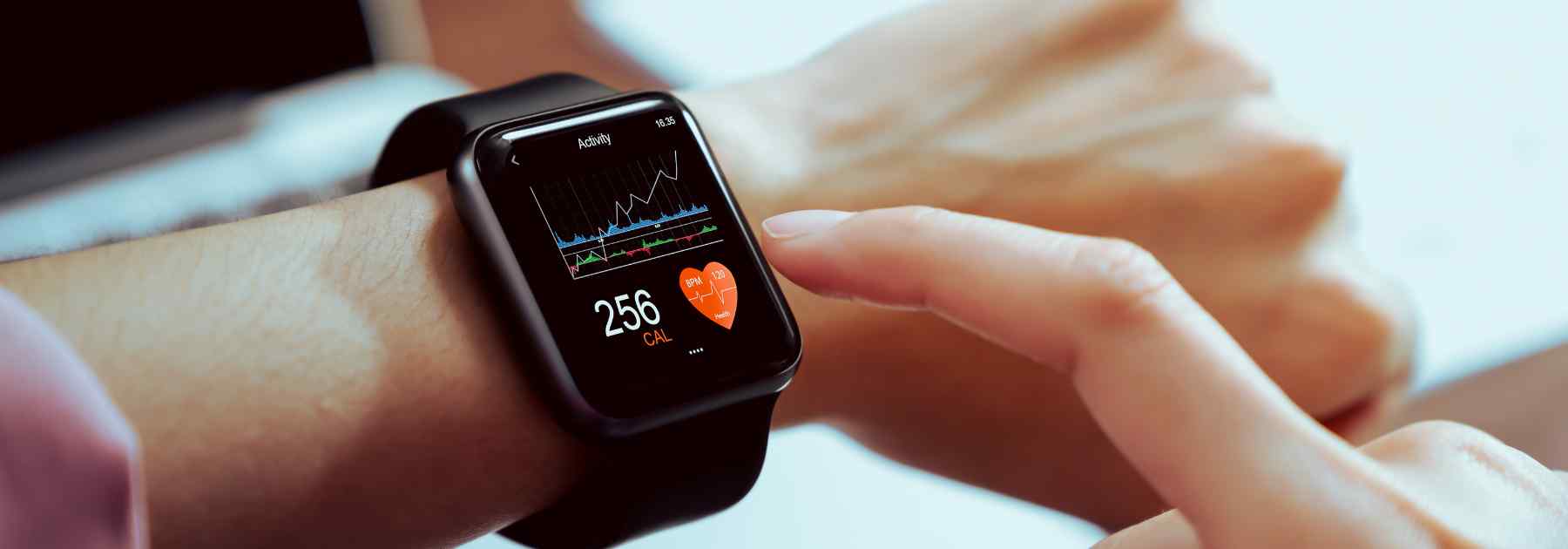
- Early Detection of Health Issues: Wearable devices can alert pharmacists to potential health issues before they become severe. For instance, abnormal heart rate data from a smartwatch can prompt a pharmacist to recommend a patient see a healthcare provider.
- Chronic Disease Management: For patients with chronic conditions, wearable tech can provide continuous monitoring. Pharmacists can use this data to make adjustments to treatment plans and provide timely advice.
3. Operational Benefits of Wearable Tech in Pharmacies
Streamlining Workflow
- Automated Data Collection: Wearable devices automatically collect health data, reducing the need for manual data entry and allowing pharmacists to focus on patient care.
- Efficient Consultations: With access to real-time data, consultations can be more efficient and effective. Pharmacists can quickly review a patient’s health metrics and provide targeted advice.
Enhancing Patient Engagement and Loyalty
- Engagement Programs: Pharmacies can develop health engagement programs that leverage wearable data. These programs can include fitness challenges, health monitoring initiatives, and personalised health goals. By introducing such engagement, you can encourage patients to actively participate in their health management.
- Building Trust: By providing personal and proactive care based on wearable data, pharmacists can build stronger relationships with patients, enhancing trust and loyalty.
4. Collaboration and Communication with Healthcare Providers
Shared Health Data
- Collaborative Care: Sharing wearable data with other healthcare providers can facilitate a more collaborative approach to patient care. Pharmacists can communicate with doctors, nurses, and other healthcare professionals to ensure coordinated and comprehensive care.
- Integrated Health Networks: Pharmacies can become part of integrated health networks that use wearable data to provide holistic care, improving outcomes and reducing healthcare costs.
Remote Monitoring and Telehealth
- Remote Monitoring Services: Pharmacies can offer remote monitoring services, where pharmacists regularly review patients’ wearable data and provide guidance or interventions as needed.
- Telehealth Integration: Combining wearable data with telehealth services allows pharmacists to conduct virtual consultations, making it easier for patients to receive care without visiting the pharmacy.
5. Leveraging Data Analytics for Improved Services
Predictive Analytics
- Health Predictions: Using data analytics, pharmacies can predict health trends and potential issues for individual patients, allowing for preemptive measures.
- Stock Management: Wearable data can also inform pharmacies about the demand for specific health products. This helps to improve inventory management and reduce wastage.
Customised Health Programs
- Data-Driven Health Programs: Pharmacies can develop customised health programs based on the aggregated data from wearable devices. These programs can focus on areas such as weight loss, smoking cessation, and cardiovascular health.